

On February 12, 2026, the draft of the new Constitution of the Republic of Kazakhstan was officially published in the national newspaper Egemen Qazaqstan. Work on the document began in October 2025.
A national referendum on constitutional reform is scheduled for March 15, 2026. Citizens of the country will make an important decision that will determine the future development of the state’s political system.
The Institute of Parliamentarism actively participated in preparing proposals for parliamentary reform. Since last autumn, approximately 600 initiatives from citizens have been submitted to the Institute via the eGov and e-Өтініш platforms. Experts conducted a detailed analysis of each proposal, after which the most significant initiatives were discussed at meetings dedicated to parliamentary reform. The Director of the Institute, Natalia Pan, joined the working group where key provisions of the reform were actively debated.
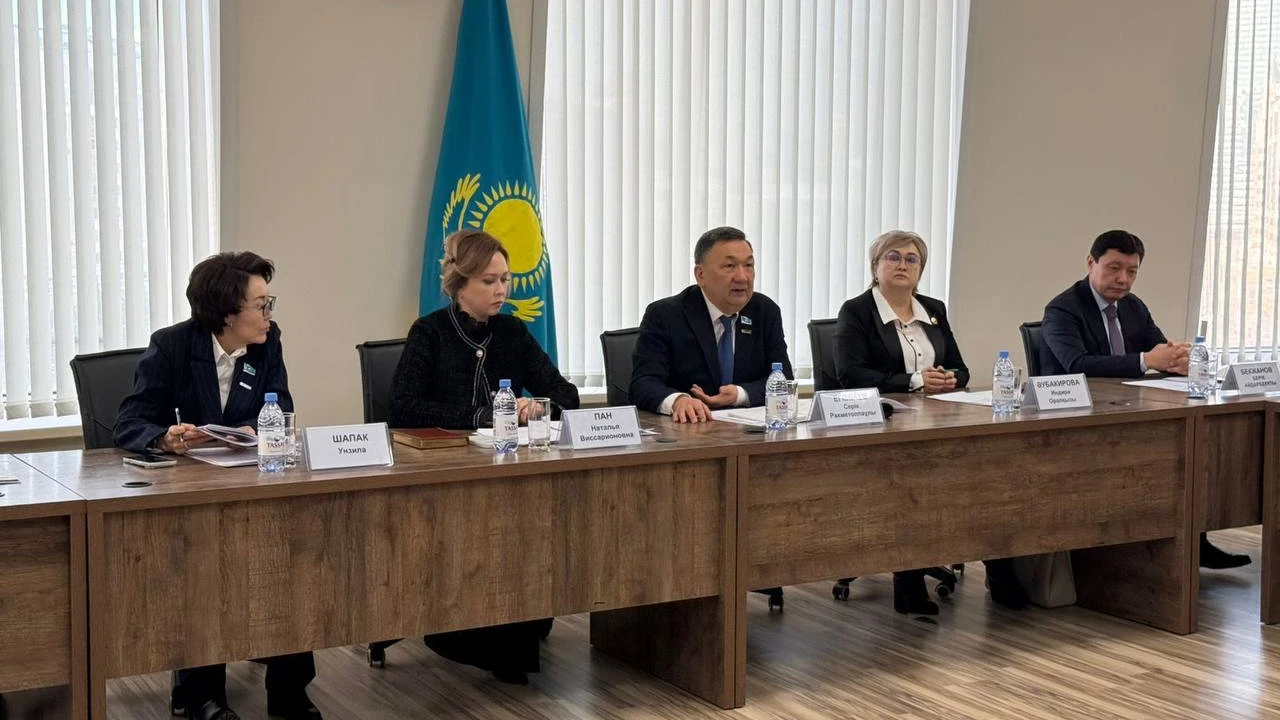
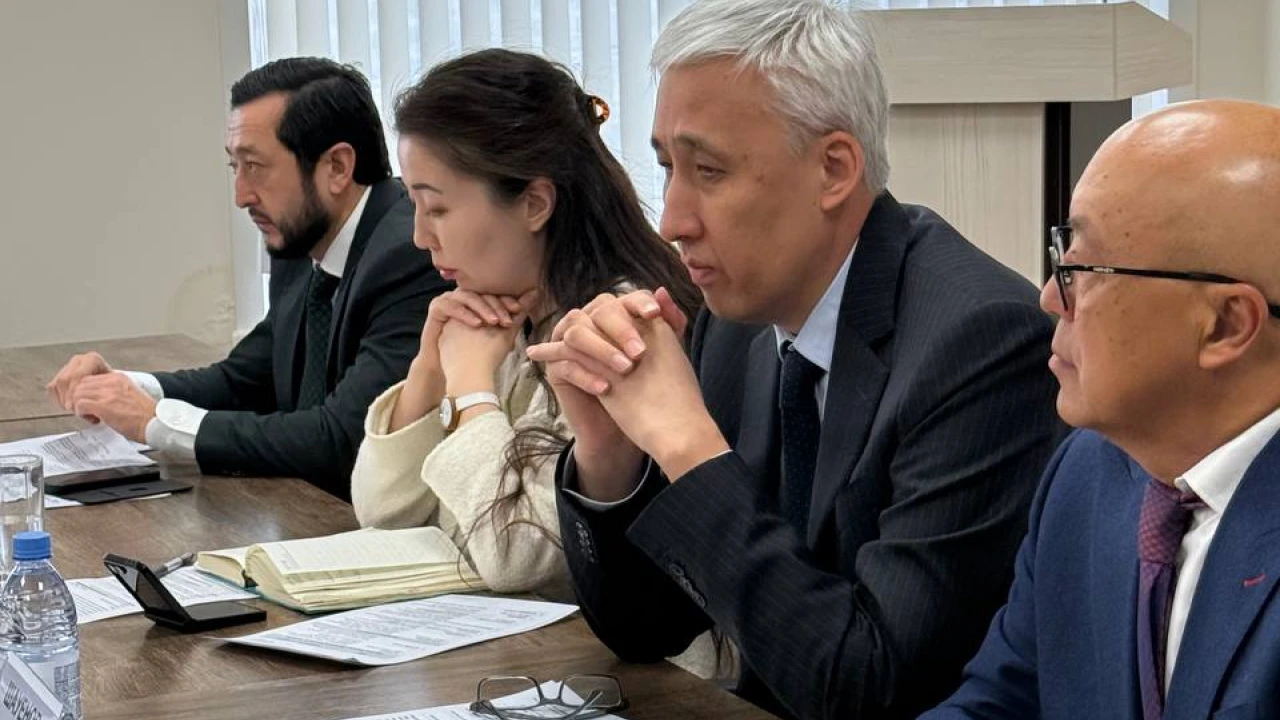
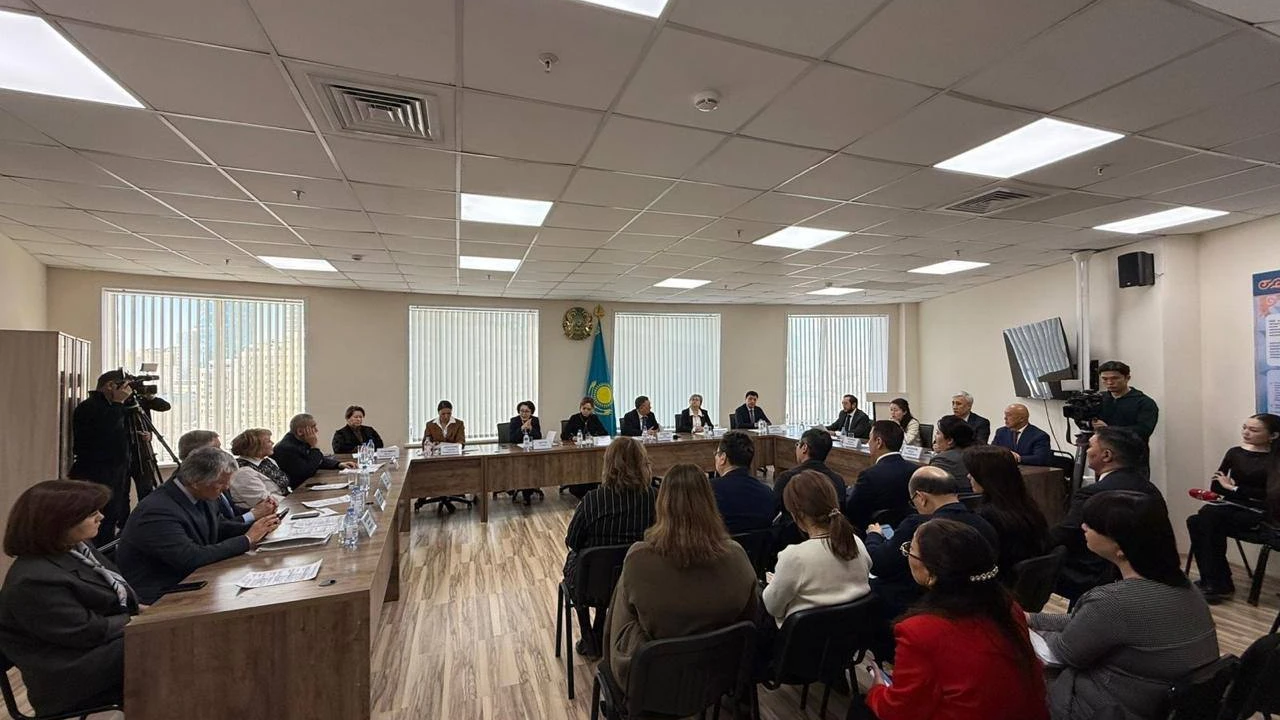
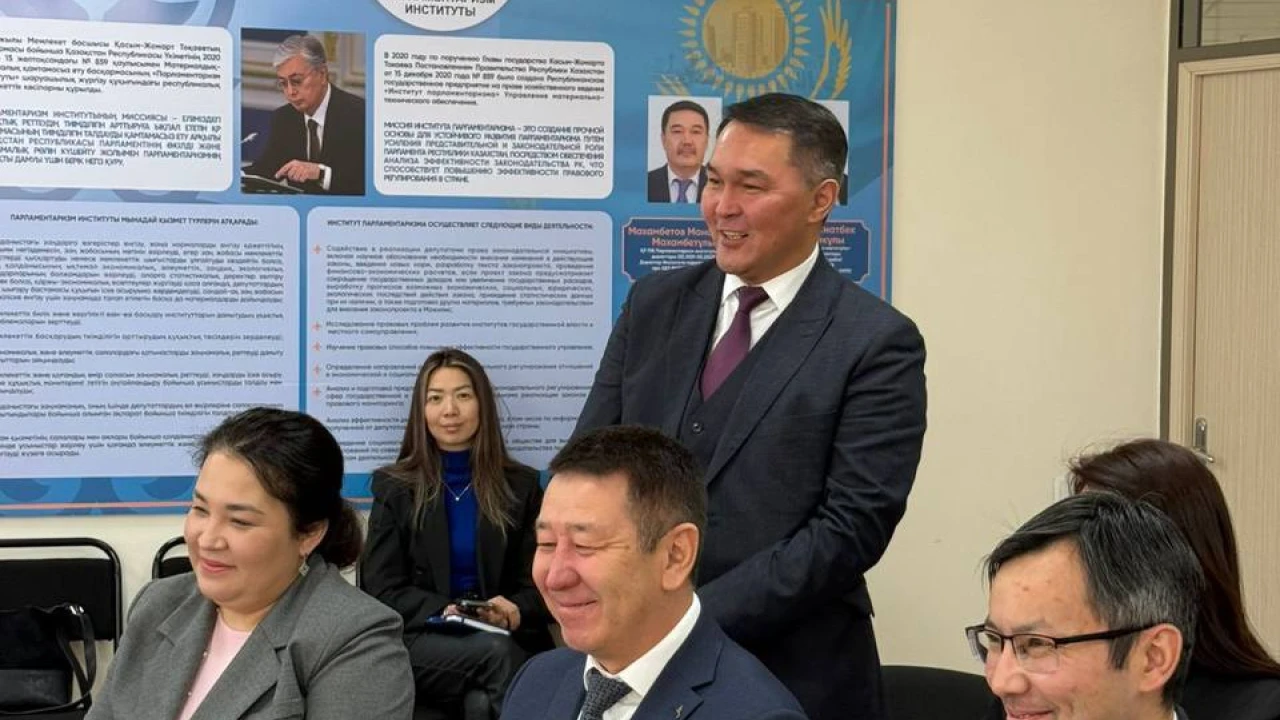
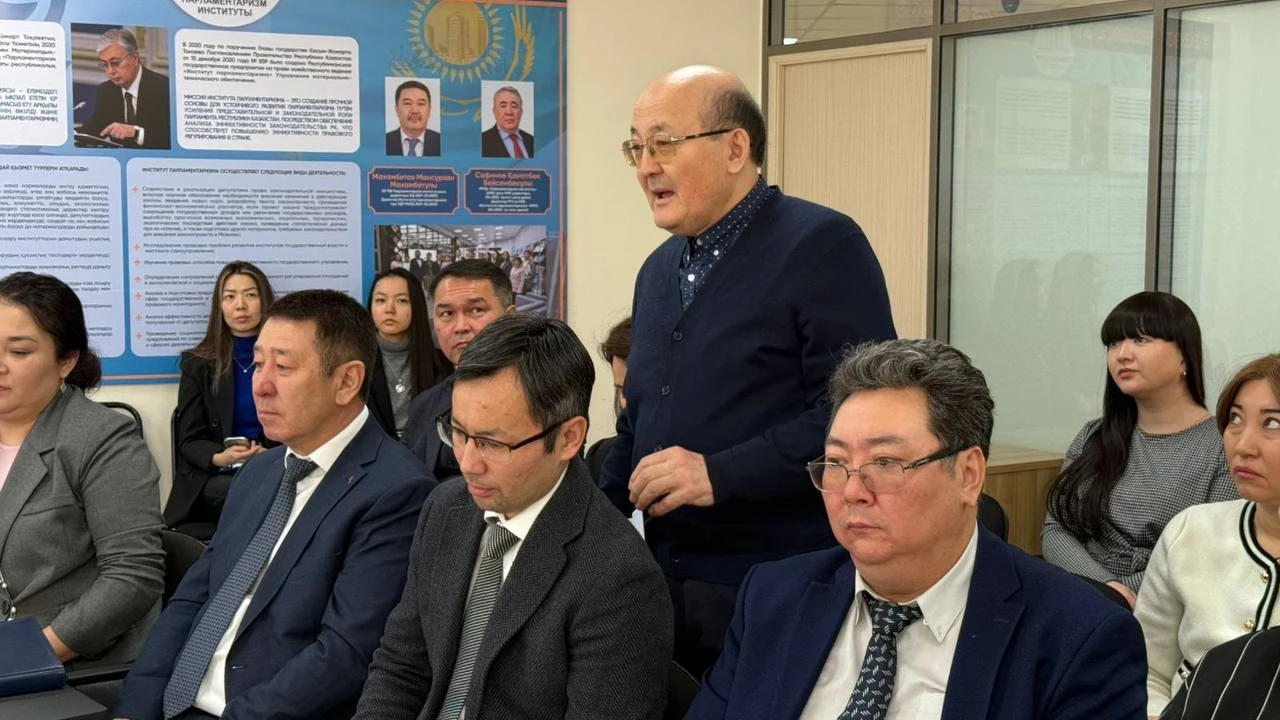
Today, an expert discussion of the draft Constitution was held at the Institute of Parliamentarism. The event brought together Members of Parliament, representatives of government agencies, public figures, experts, and scholars.
The discussion was moderated by the Director of the Institute of Parliamentarism, Natalia Vissarionovna Pan.
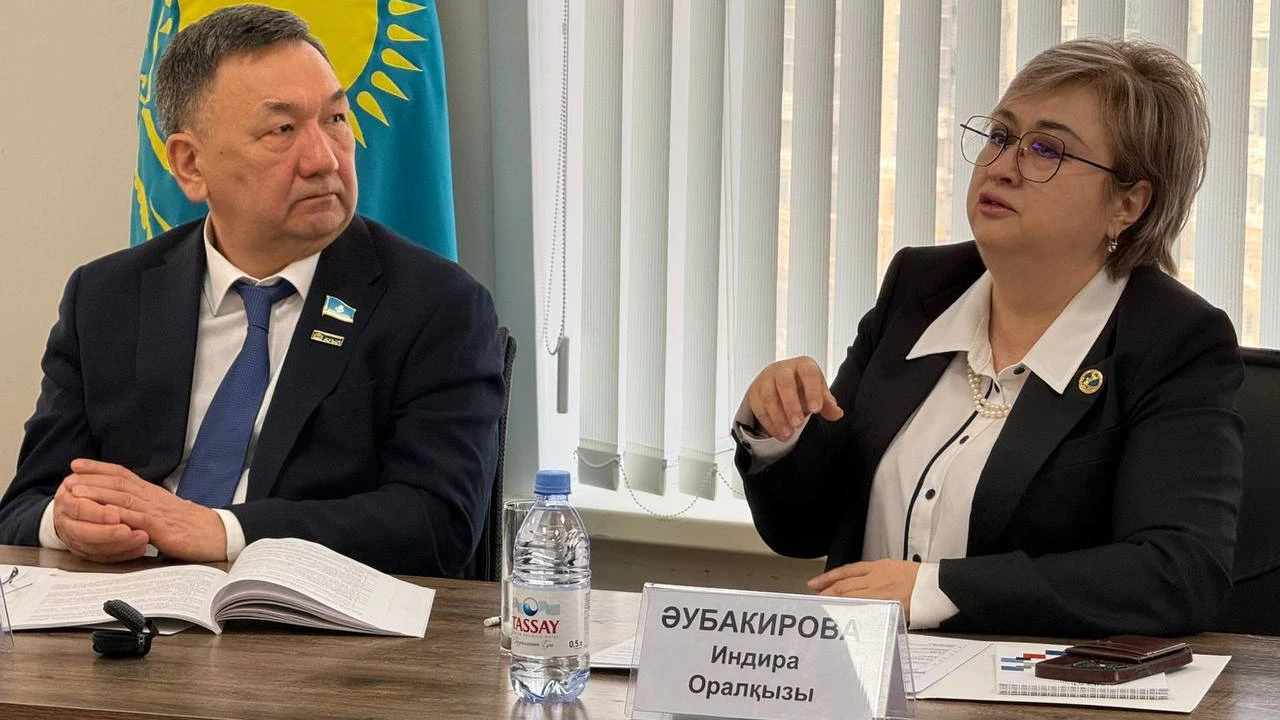
Serik Yegizbayev, Member of the Mazhilis and head of the Ak Zhol party faction, noted that the draft Constitution reflects the key expectations of society and responds to contemporary challenges. He emphasized that the document is aimed at modernizing the political system and strengthening the principles of public participation: “The Constitution must be a living instrument that responds to the demands of the time and the citizens.”
The parliamentarian also stated that the adoption of the Basic Law should be a decision made by the entire nation and called on citizens to support the draft in the upcoming referendum.
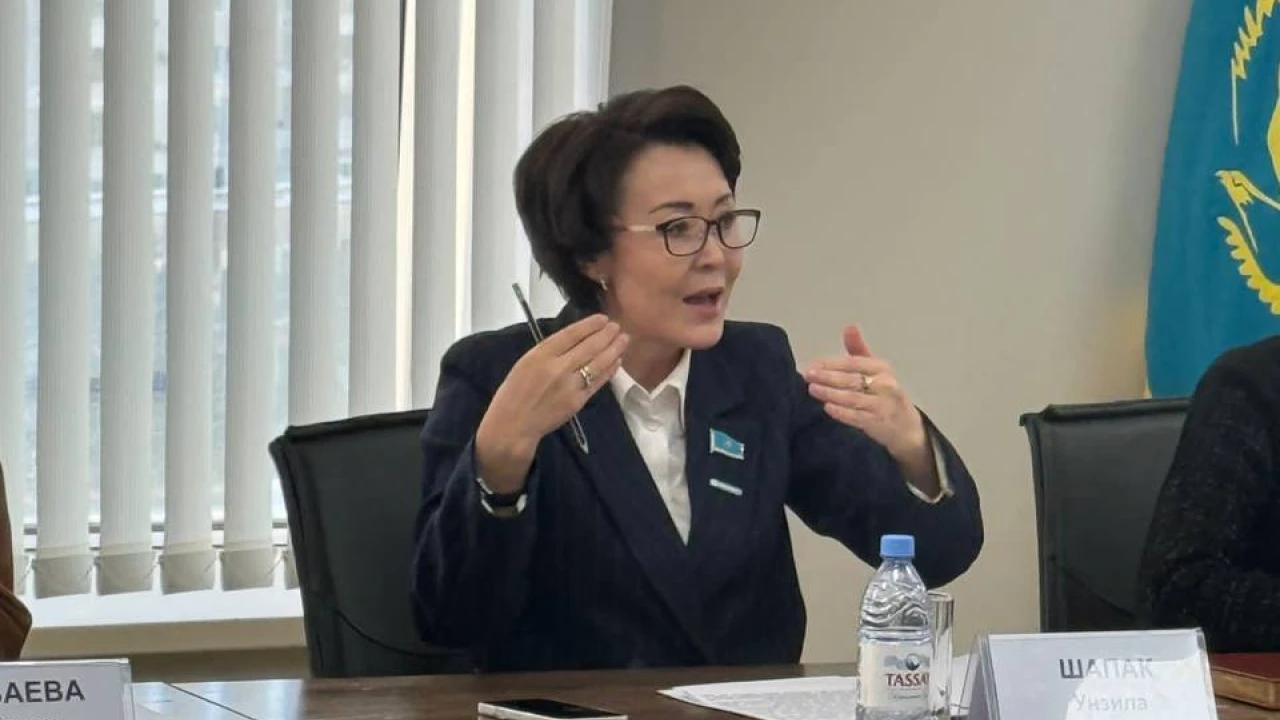
Unzila Shapak, Member of the Mazhilis and Doctor of Law, elaborated on the provisions concerning the application of international treaties. She noted that the relationship between international and national law is based not on subordination, but on mechanisms of interaction and coordination, confirming the independence of both legal systems. In her view, the proposed amendments preserve Kazakhstan’s commitment to its international obligations and ensure legal certainty.
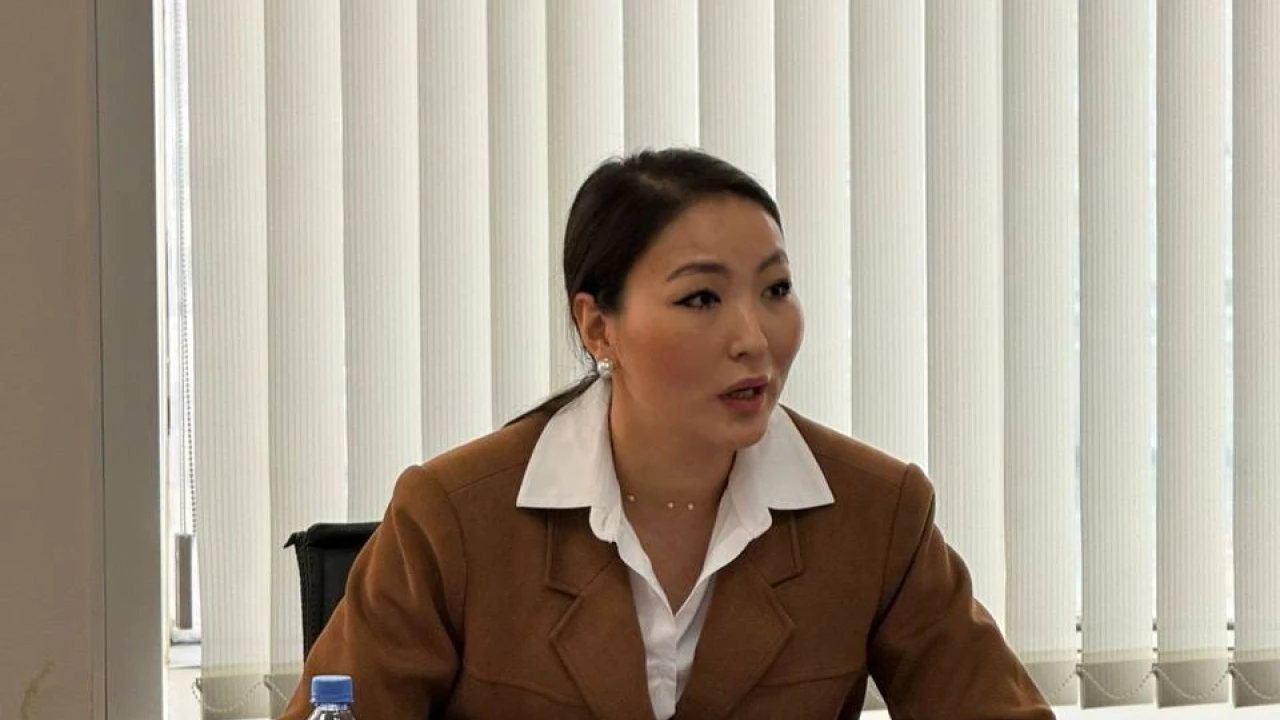
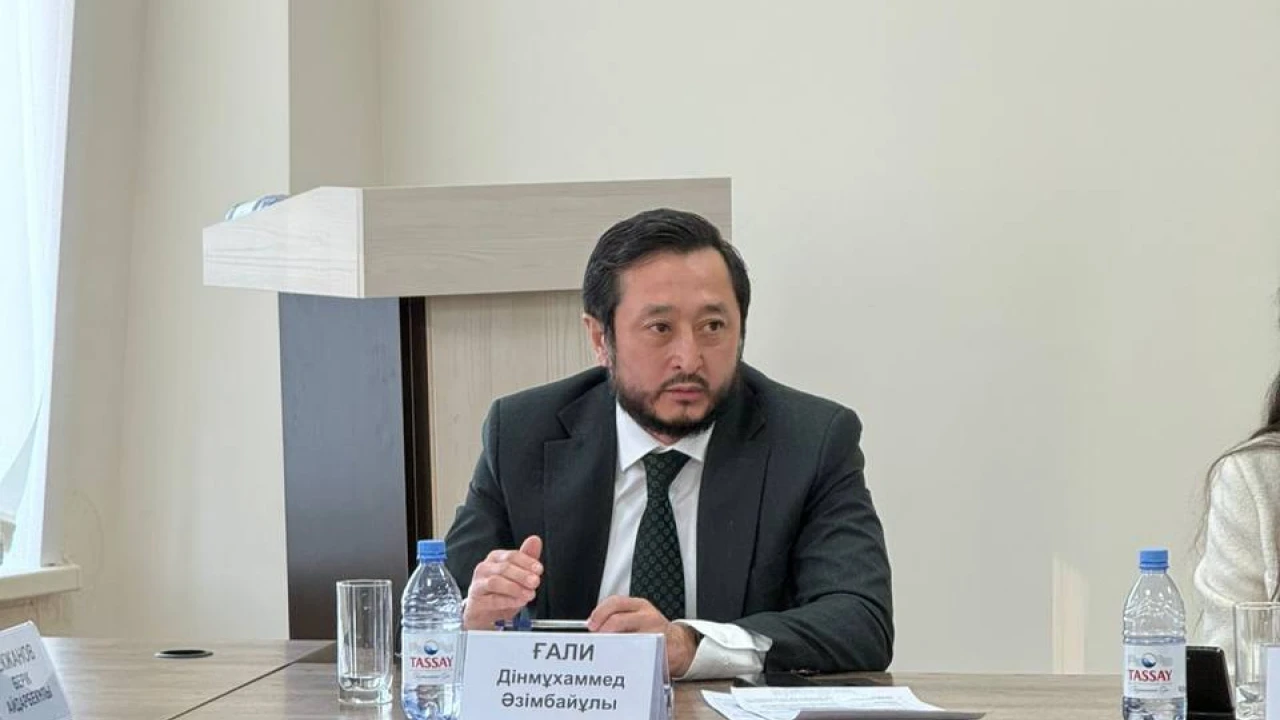
Presentations were also delivered by Indira Uralovna Aubakirova, Director of the Institute of Legislation and Legal Information of the Republic of Kazakhstan under the Ministry of Justice and member of the Constitutional Reform Commission; Guliskhan Saifullinovna Nakhbayeva, Director of the Research Center “Youth”; and Gali Dinmukhammed Azimbayuly, Deputy Director of the Institute of Applied Ethnopolitical Research, Candidate of Economic Sciences, Associate Professor.
In his speech, Gali Dinmukhammed Azimbayuly presented data from sociological studies showing a stable trend: over the course of a year, 70–75 percent of citizens primarily identify themselves as Kazakhstanis. This indicates that civic identity is firmly rooted in public consciousness. The share of those who identify themselves primarily by ethnicity ranges from 24–29 percent, and this ratio remains stable.
“This suggests that a balance is maintained in society, where civic identity prevails. It is not about division, but about the presence of a common civic foundation,” the speaker noted.
According to him, the formula “We are the united people of Kazakhstan” reflects the idea of nationwide unity, while the right of every citizen to freely determine their ethnic identity ensures the preservation of cultural distinctiveness.
Director of the Research Center “Youth,” Guliskhan Nakhbayeva, emphasized that for nearly 13 years the center has been systematically studying the values, attitudes, and forms of youth participation in public life in Kazakhstan.
According to the study “Youth of Kazakhstan – 2025,” interest in the political agenda among young people is flexible: 34.6% show interest from time to time, 26.8% become engaged during significant events, and 14.3% follow politics on a regular basis.
This indicates that youth engagement remains steady and that young people are ready to respond to socially significant processes.
At the conclusion of the meeting, participants expressed support for the draft of the new Constitution, highlighting its strategic importance for the country’s further development, the strengthening of democratic institutions, and the enhancement of citizens’ role in making key decisions.