

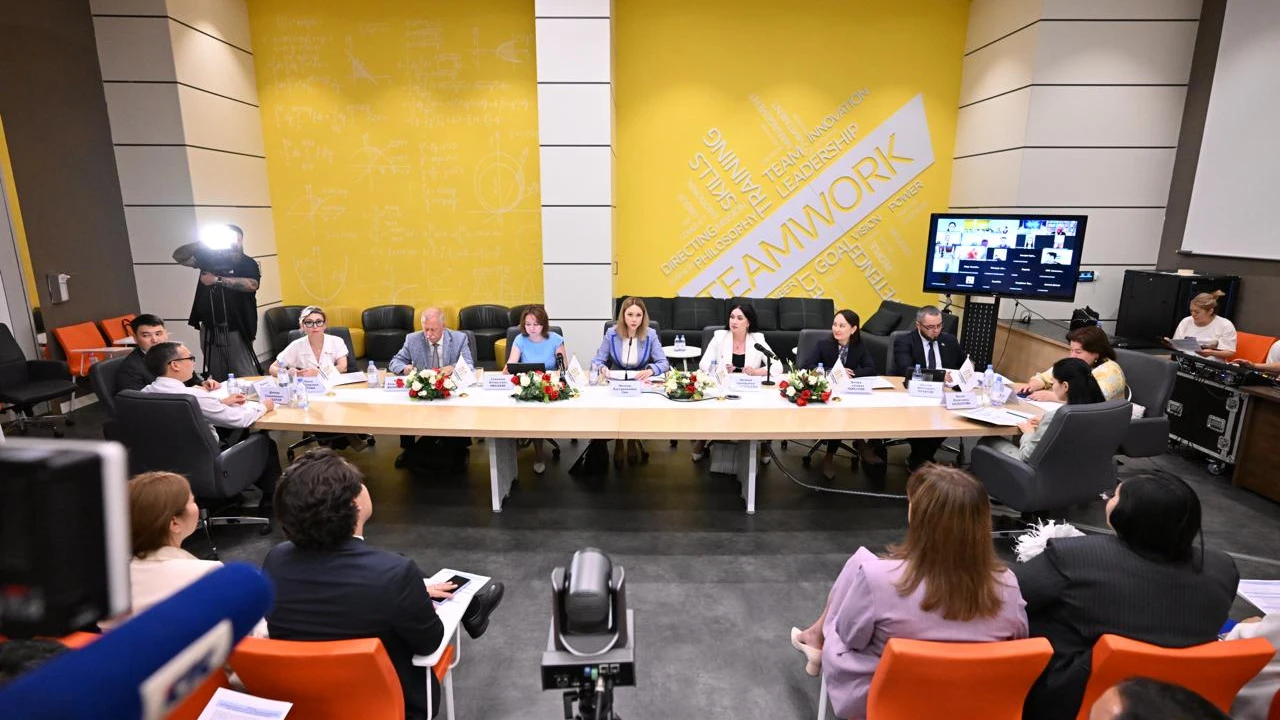
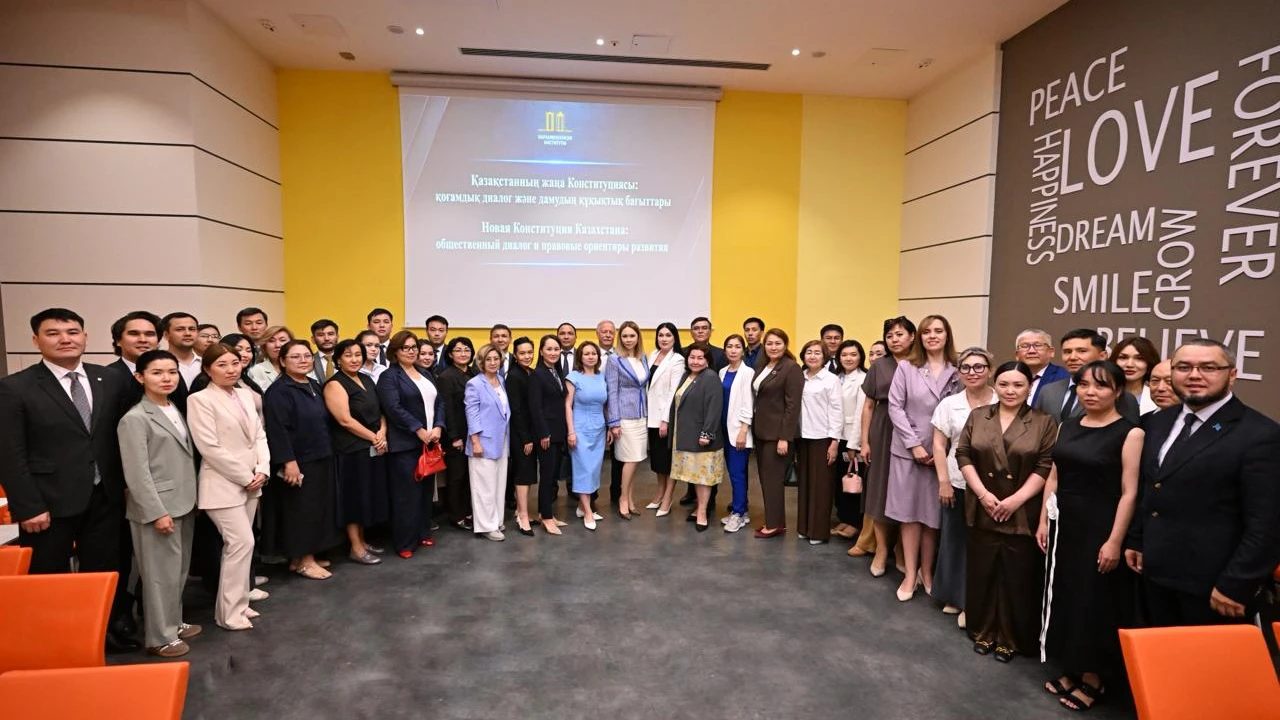
On July 2, 2026, the Presidential Center of the Republic of Kazakhstan hosted the international round table "The New Constitution of Kazakhstan: Public dialogue and legal guidelines for development", organized by the Institute of Parliamentarism under the Office of the President of the Republic of Kazakhstan.
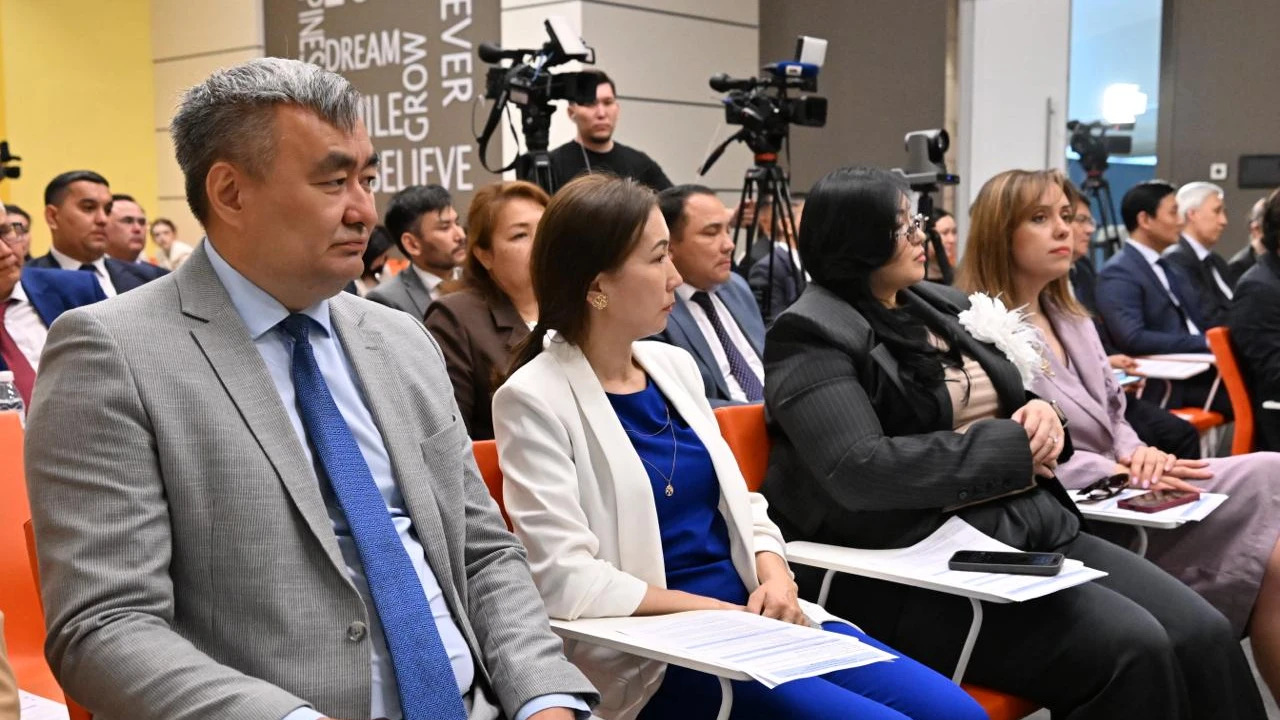
The event was attended by deputies of the Parliament of the Republic of Kazakhstan of the VIII convocation, representatives of the Constitutional Court, leading domestic and foreign scientists, experts in the field of constitutional law, as well as representatives of the scientific community of Kazakhstan, Russia and Uzbekistan.
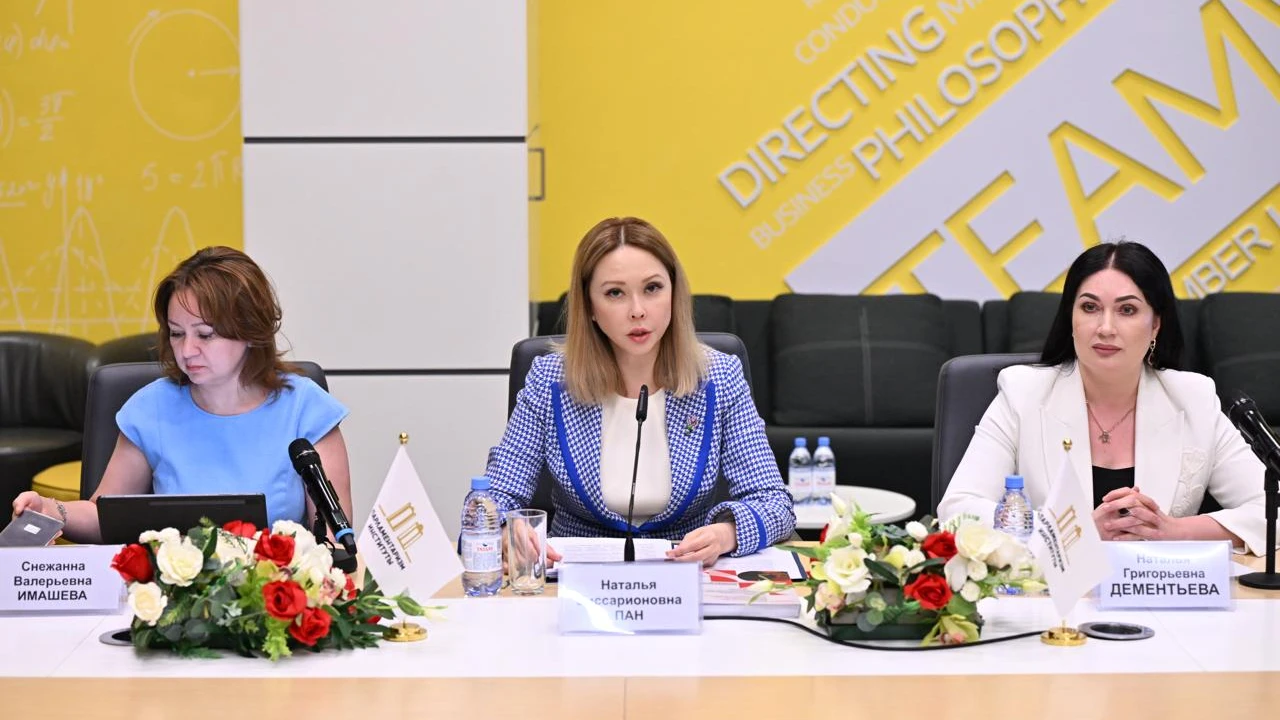
Opening the round table, Natalia Pan, Director of the Institute of Parliamentarism, noted that the entry into force of the new Constitution marks the beginning of a new stage in the country's institutional development. According to her, the Basic Law not only establishes an updated model of government, but also creates the basis for the formation of a more effective system of public administration, expanding public participation and further strengthening the principles of justice and sustainable development.
In her welcoming speech, Snezhanna Imasheva, Commissioner for Family Affairs in the Republic of Kazakhstan, Deputy Chairman of the National Commission for Women and Family and Demographic Policy under the President of the Republic of Kazakhstan, Member of the Parliament of the Republic of Kazakhstan of the VIII convocation, stressed that the Constitution is the foundation of statehood and social harmony. She noted that the constitutional reforms carried out are aimed at building a Fair Kazakhstan based on the rule of law, accountability of state authorities, protection of human rights and increased citizen participation in government decision-making.
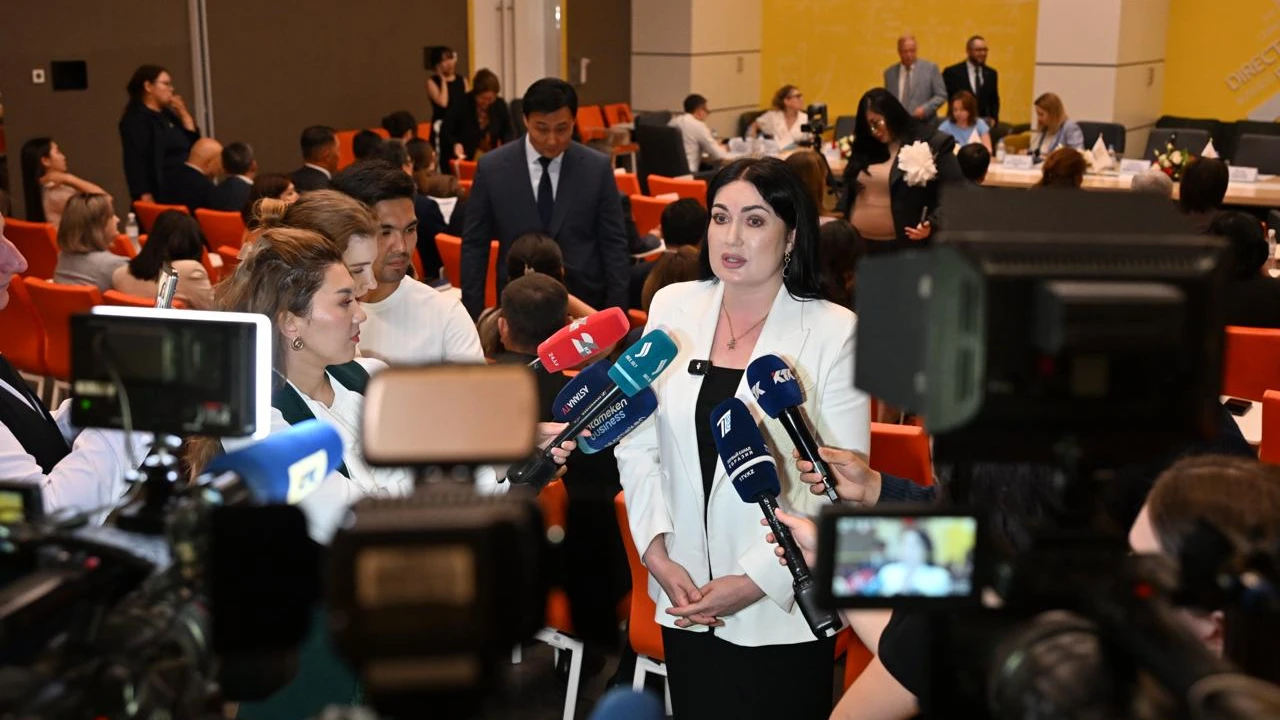
Natalia Dementieva, a member of the Parliament of the Republic of Kazakhstan of the VIII convocation, emphasized that the main stage of constitutional reform is not the adoption of laws, but their practical application. According to her, the effectiveness of the Constitution is determined by the extent to which its principles are implemented in the daily activities of government agencies, courts and the law enforcement system. "The Constitution becomes truly effective when its norms naturally underlie every government decision," the speaker stressed.
Elmira Kaliyeva, Head of the Department for the preliminary study of appeals and legal support of the Office of the Constitutional Court of the Republic of Kazakhstan, noted that the new Constitution establishes a qualitatively new social contract between the state and the citizen, while preserving the fundamental values of independence, sovereignty, territorial integrity and human rights unchanged. She paid special attention to the development of constitutional control mechanisms, strengthening guarantees for the protection of citizens' rights and freedoms, as well as the formation of a new constitutional culture based on the principles of Law and Order.
Marat Zhumagulov, Chief Researcher at the Kazakhstan Institute for Strategic Studies under the President of the Republic of Kazakhstan, noted that the entry into force of the new Constitution means the transition to a new model of organization of public power. He stressed that the key changes were the creation of a unicameral Kurultai, the improvement of the system of checks and balances, the strengthening of judicial mechanisms for the protection of constitutional rights and the institutionalization of civil society participation in the legislative process. At the same time, the speaker noted that the effectiveness of the new constitutional model will be determined primarily by the quality of law enforcement practice.
Dmitry Rakhmanov, representative of the Institute of Parliamentary Studies at the Legislative Chamber of the Oliy Majlis of the Republic of Uzbekistan, presented the experience of constitutional transformations in Uzbekistan, emphasizing the importance of consistent development of parliamentary institutions, improvement of legislation and expansion of public participation in public administration. According to him, the exchange of experience between Kazakhstan and Uzbekistan contributes to the further development of democratic institutions and the strengthening of inter-parliamentary cooperation.
Summing up, the participants of the round table noted that the successful implementation of the new Constitution requires not only the improvement of legislation, but also the formation of a modern legal culture based on the rule of law, respect for human rights, public dialogue and the high responsibility of state institutions to society.