

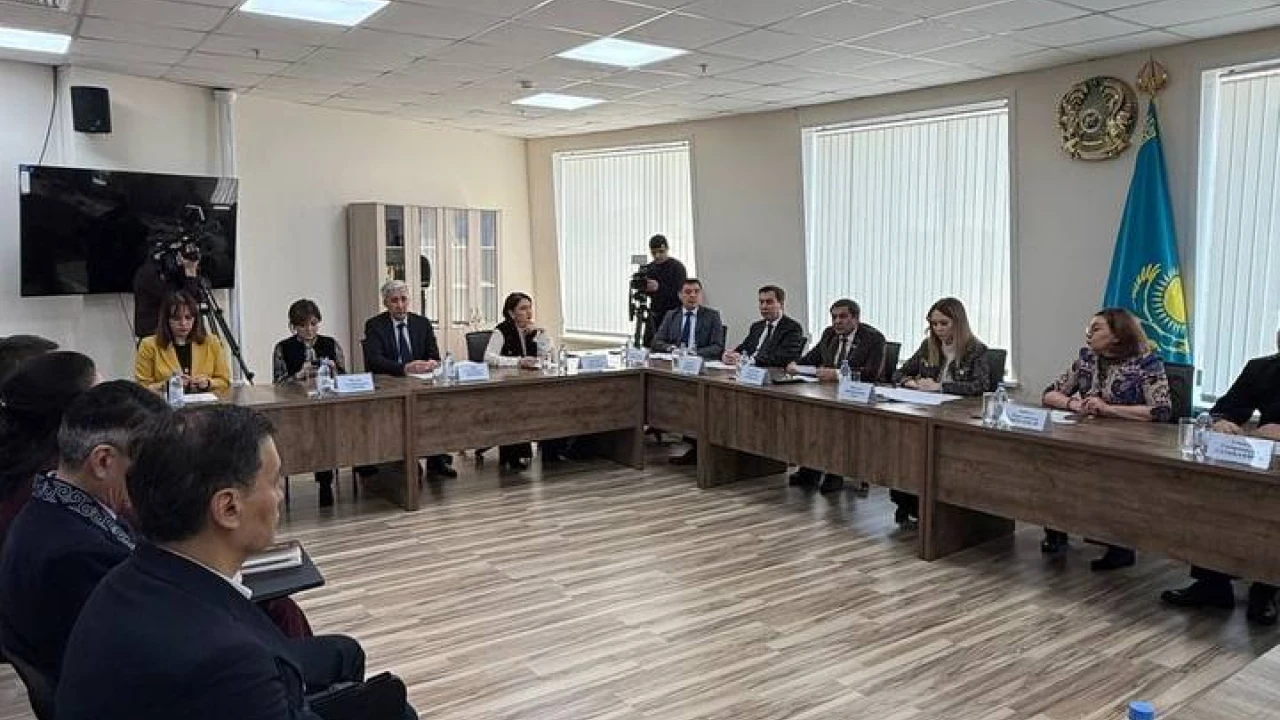
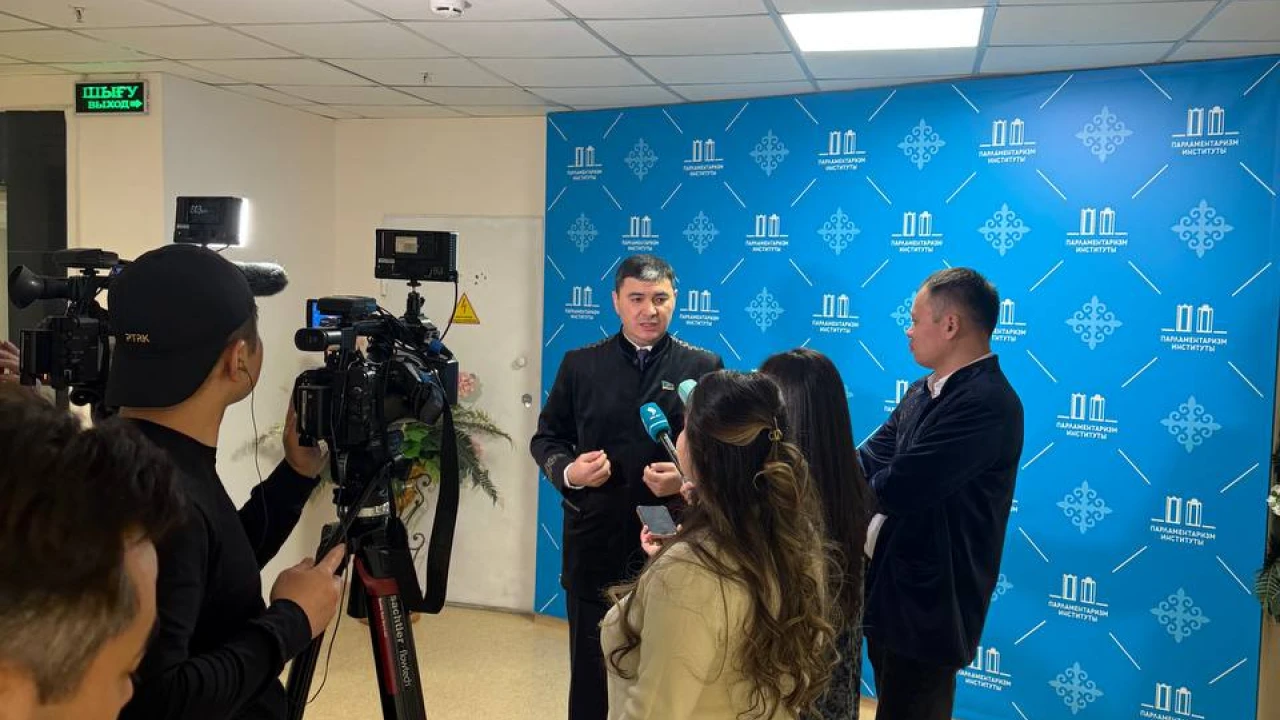
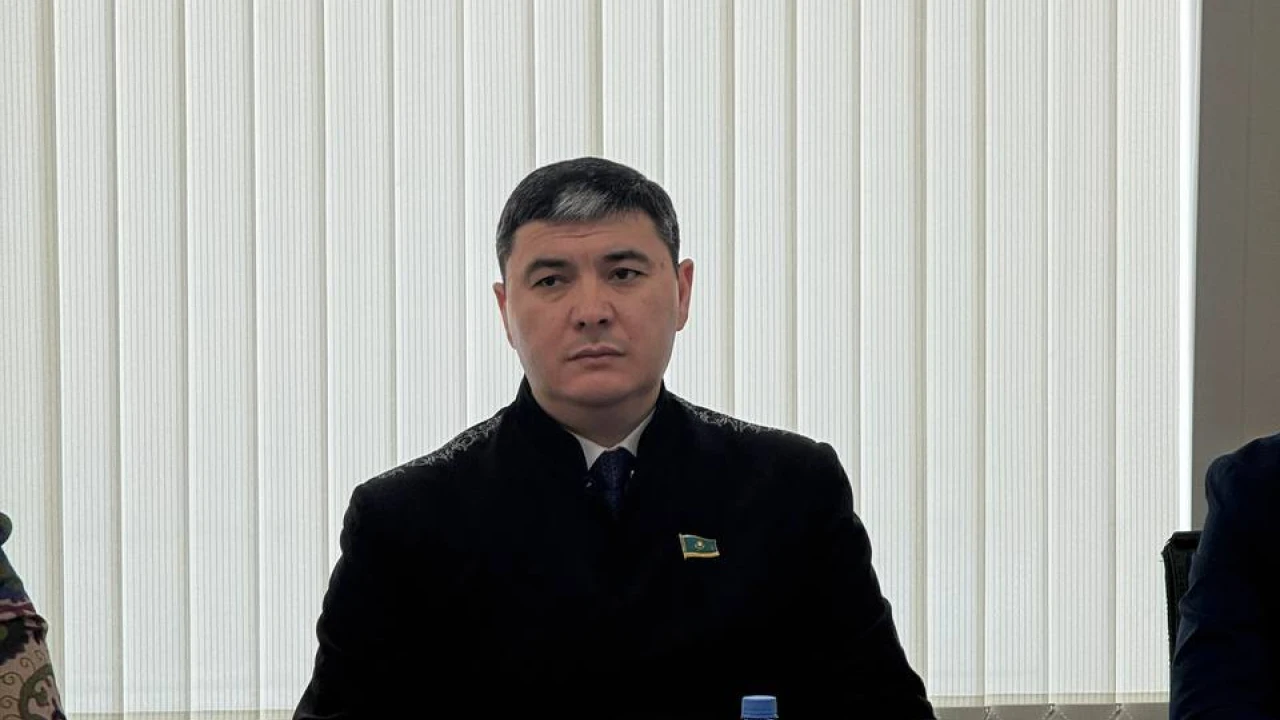
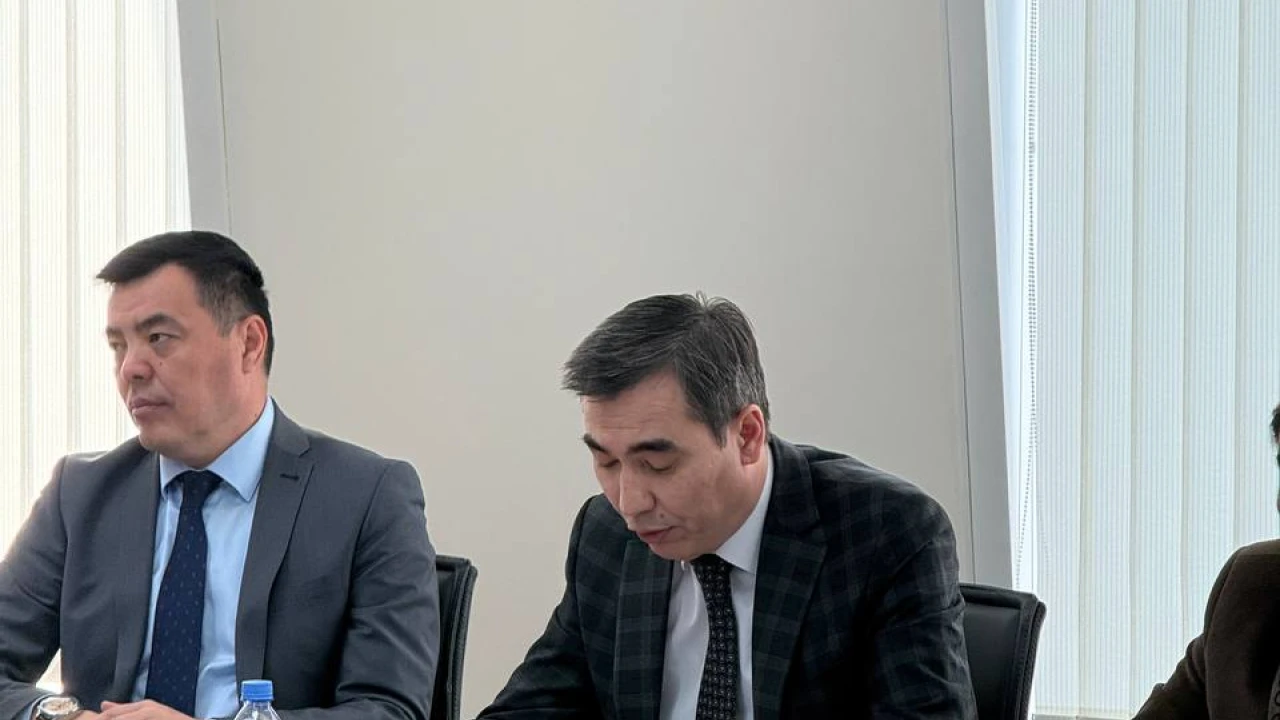
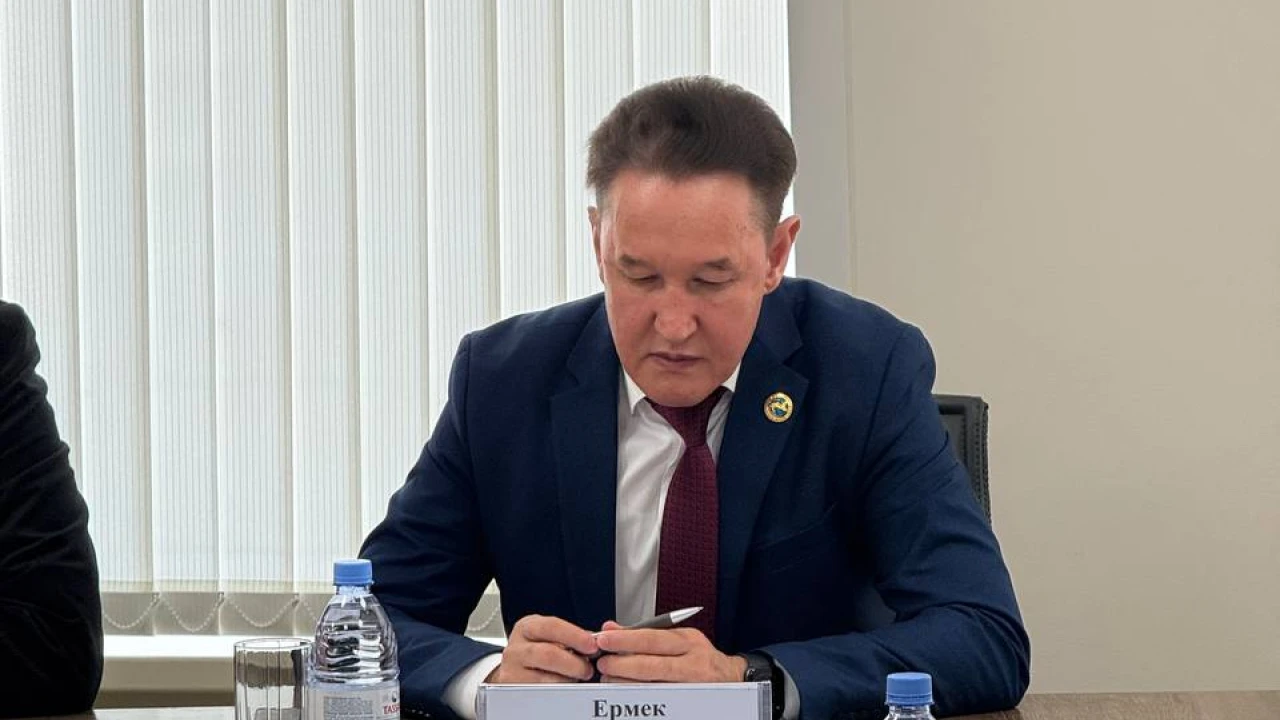
On March 18, a round table on the topic was held in Astana at the site of the Institute of Parliamentarism under the UDP of the Republic of Kazakhstan: "The new Constitution is the key to sustainable development." The discussion was attended by members of Parliament, representatives of government agencies, experts, scientists and public figures.
The event was moderated by Natalia Pan, Director of the Institute of Parliamentarism.
Opening the meeting, she stressed that understanding the results of the republican referendum and their significance for the further development of the country is becoming particularly relevant today. According to her, one of the key results of the constitutional reform was the institutional renewal of the system of state power.
"A more balanced and effective political system is being formed with the strengthening of checks and balances. The new Constitution is not only the legal basis for the functioning of the state, but also an important factor in ensuring the sustainable development of the country," Natalia Pan said.
She added that the adopted amendments lay a solid institutional foundation for long-term stability and progressive development, as well as determine the vector of further modernization of legislation and the political system.
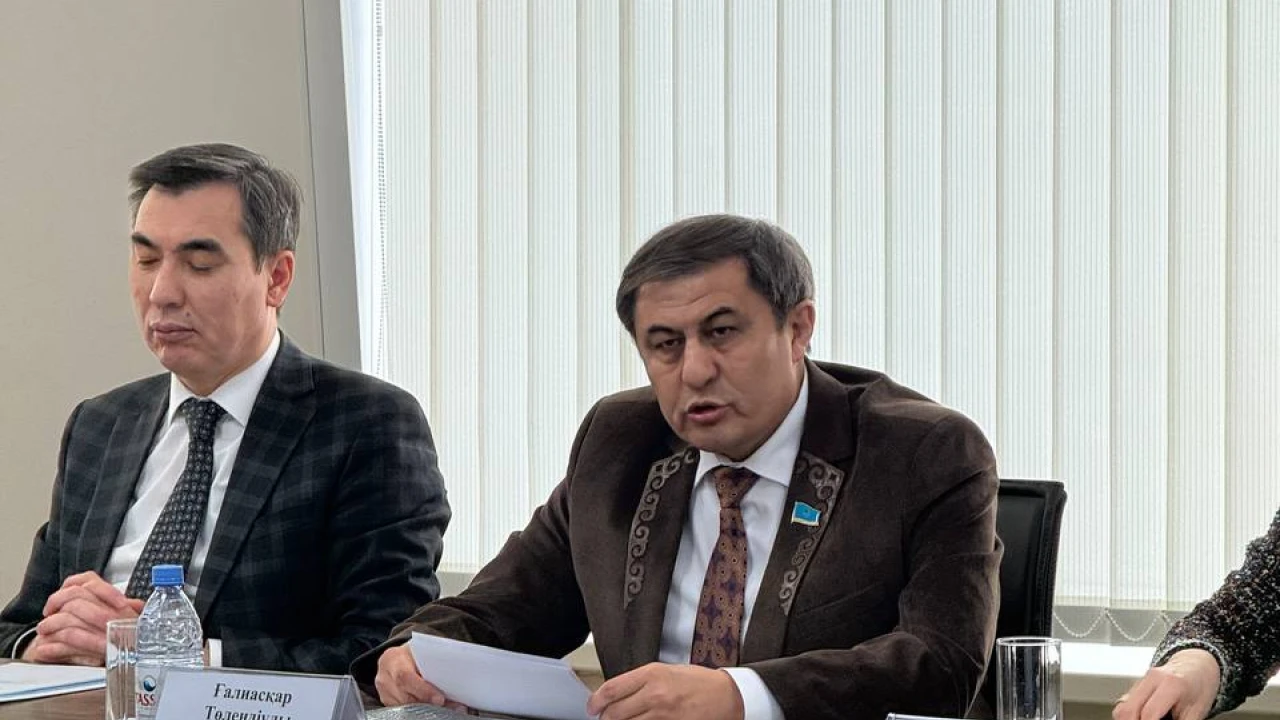
Deputy of the Senate of the Parliament of the Republic of Kazakhstan Galiaskar Sarybayev gave his assessment of the reforms. He noted that the adopted Constitution was the result of a large-scale joint work of the state and society.:
"President of the Republic of Kazakhstan Kassym-Jomart Tokayev highly appreciated the work done and signed the Constitution. This is a concrete result of the overall work. Every citizen can say with confidence that he has contributed to the adoption of the new Constitution and witnessed a historic event. There were 10,401 polling stations operating across the country, including 71 in 54 foreign countries," the senator stressed.
Zhuldyzai Iskakova, Chairman of the Board of the NAO "Kazakhstan Institute of Social Development", presented the data of a sociological study. According to the results of a telephone survey, 81.8% of Kazakhstanis are aware of the upcoming referendum: 33.7% of respondents are well acquainted with its agenda, another 48.1% have heard about it, but do not have detailed information.
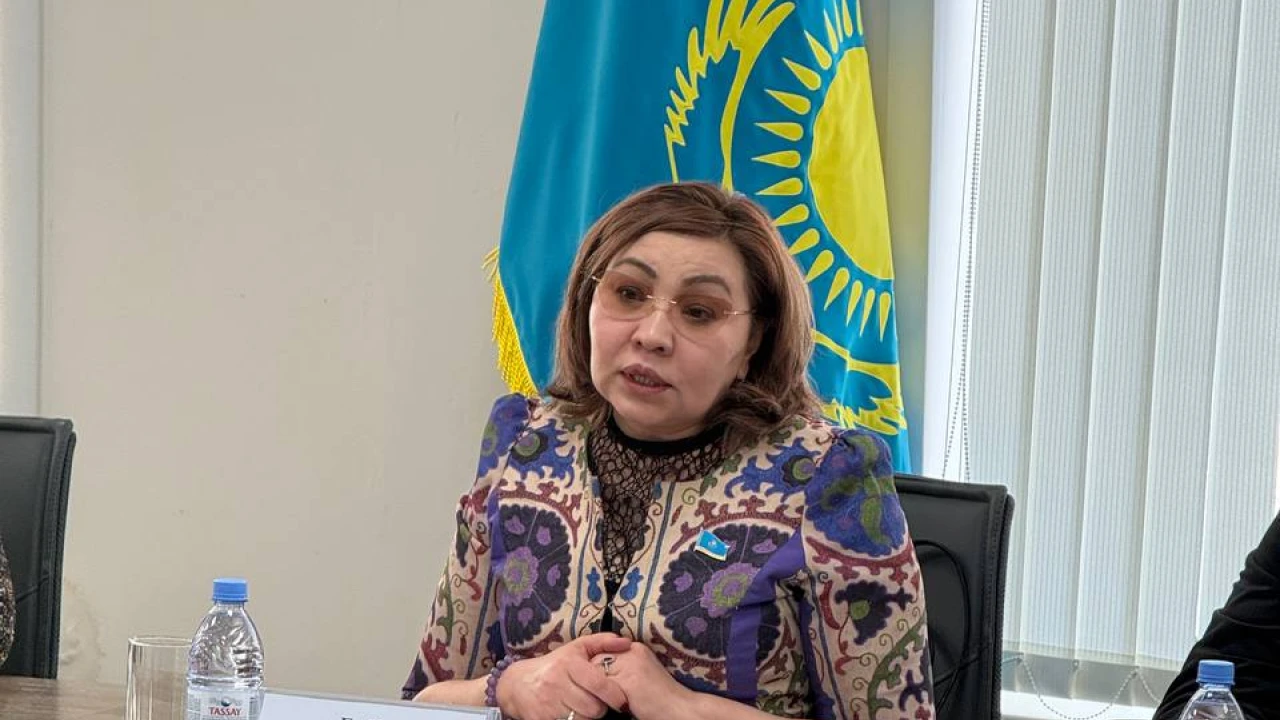
The discussion was also attended by deputies of the Senate of the Parliament of the Republic of Kazakhstan Bibigul Zheksenbai, Alisher Satybaldiyev and Bakytzhan Temirbolat. The participants discussed the key provisions of the updated Constitution, paying special attention to the transformation of the public administration system and the expansion of citizens' rights and freedoms.
Special attention was paid to the role of public participation in the reform process. According to the organizers, the Institute of Parliamentarism actively participated in the preparation of proposals for parliamentary reform. Since last fall, the Institute has received about 600 initiatives from citizens through the digital platforms eGov and e-Onish. All proposals were analyzed in detail, and the most significant of them were submitted for specialized discussions.
Following the results of the round table, the participants expressed support for the new Constitution, emphasizing its strategic importance for strengthening democratic institutions, increasing the role of citizens in decision-making and ensuring the sustainable development of Kazakhstan.