

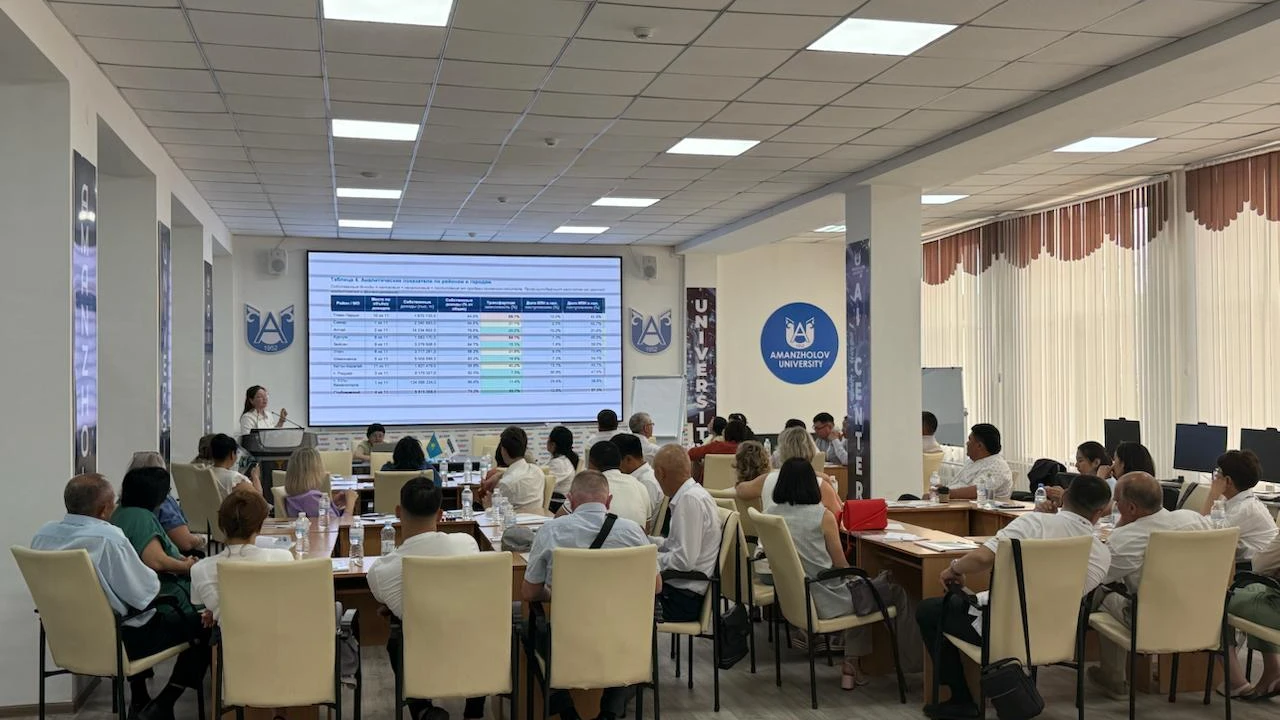
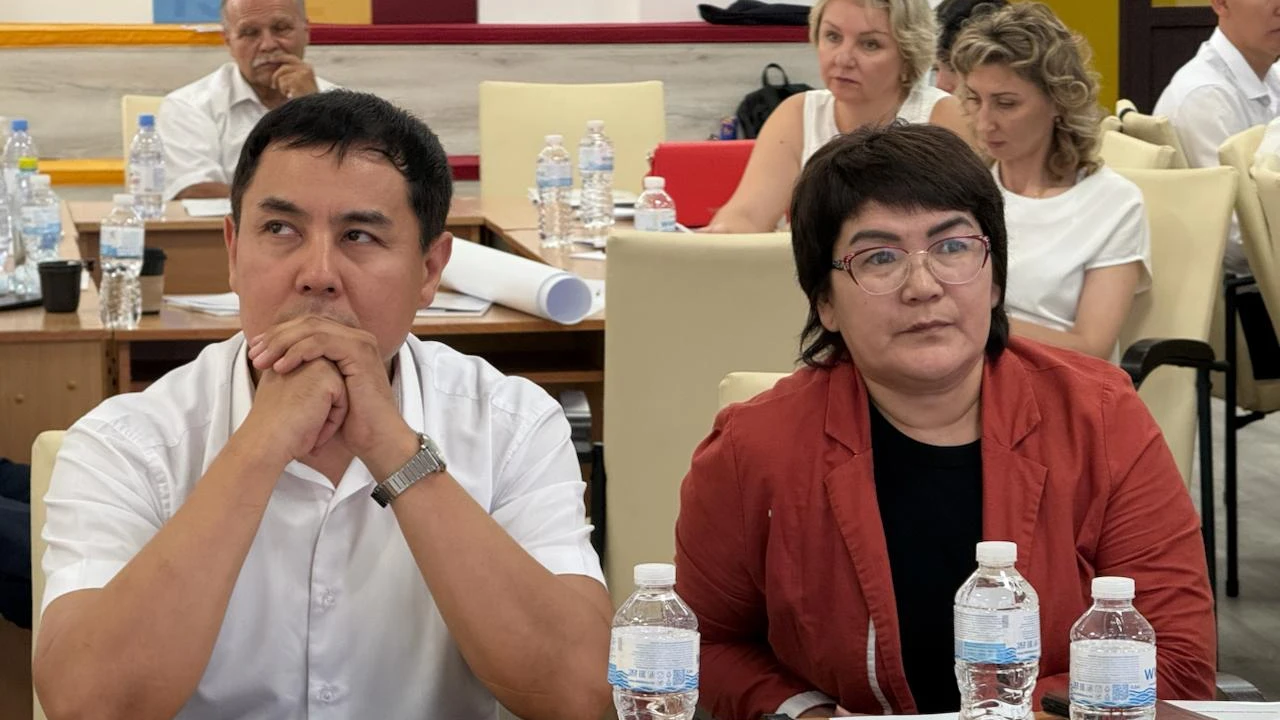
On June 11-12, 2026, two-day practical trainings were held in the East Kazakhstan region for deputies of maslikhats and their staff. The event is organized by the Institute of Parliamentarism in cooperation with the Foundation for the Development of Parliamentarism in Kazakhstan and the OSCE Program Office in Astana.
The main objectives of the training were: the formation of competencies in the field of effective communication and ethics of public service, an in-depth understanding of the regulatory framework of maslikhats, the development of skills in analysis, management of local budgets and decision-making.
Welcoming remarks were addressed to the participants by: • Zauresh Battalova, President of the Foundation for the Development of Parliamentarism in Kazakhstan, • Lyazzat Suleimenov, Deputy Director of the Institute of Parliamentarism, • Ambassador Alexey Rogov, Head of the OSCE Program Office in Astana (online), • Denis Rypakov, Chairman of the East Kazakhstan Regional Maslikhat.
The speakers emphasized the importance of raising the professional level of the deputy corps and developing modern approaches to the effective work of the maslikhats of the East Kazakhstan region.
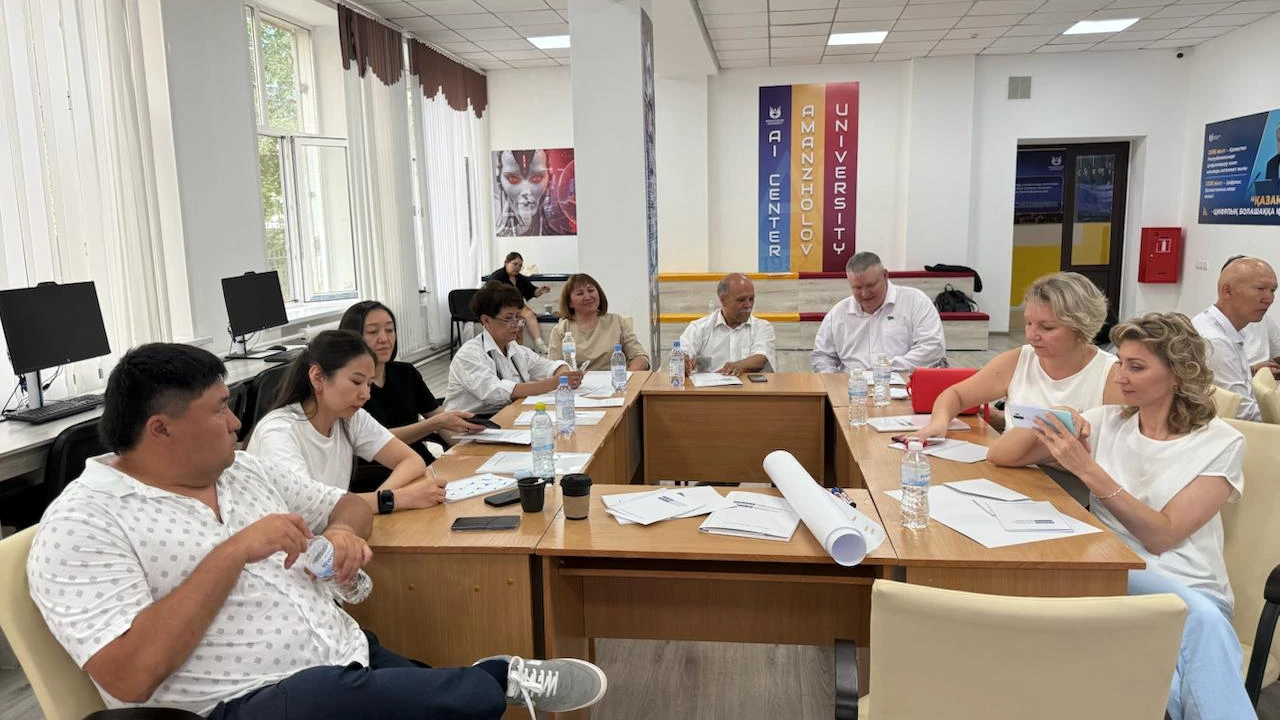
The first day was devoted to issues of transparency and control over budget execution, regulatory and legal regulation of maslikhats and digital tools of public administration. The participants studied the budget process, mechanisms for monitoring its execution and working with open budget data, as well as the provisions of the Administrative Procedural Code of the Republic of Kazakhstan regarding petitions and appeals from citizens. M. Kabylbayeva, an employee of the Institute of Parliamentarism, gave a lecture and practical exercises on legislation on local self-government. The participants in the subgroups analyzed real-world cases on citizens' appeals, local issues and requests for infrastructure improvement, developed draft decisions of the maslikhat and presented the results of their groups' work.
The second day opened with a simulation session of the Maslikhat dedicated to topical issues of housing and communal services in the East Kazakhstan region. The deputies discussed the reliability of heat supply and wear of heating networks, the quality of electricity supply, access to drinking water in rural settlements, the condition of sewage and storm water systems, maintenance of inner-city roads after municipal excavation, street lighting, major repairs and emergency housing, utility tariffs, energy efficiency of apartment buildings, solid waste management, as well as the availability of housing and communal services.-infrastructure for people with disabilities and transparency of budget expenditures on housing and communal services. Continuing the program, Deputy Director of the Institute of Parliamentarism L. Suleiman gave a lecture on the mechanisms of modern electoral systems. A. Nugmanova, an employee of the Institute of Parliamentarism, conducted classes on opportunities, risks and responsibilities in the field of artificial intelligence in the context of the Law of the Republic of Kazakhstan "On Artificial Intelligence", as well as on ethical standards, conflicts of interest and prevention of corruption risks in parliamentary activities.
The training program was built in an interactive format: lectures were combined with master classes, group work and simulation of real situations. The participants not only got acquainted with the theoretical aspects, but also worked out practical decision-making skills in conditions close to the real activities of maslikhats.
Following the results of the training, the participants were awarded certificates and practical recommendations were formed for use in parliamentary activities.